
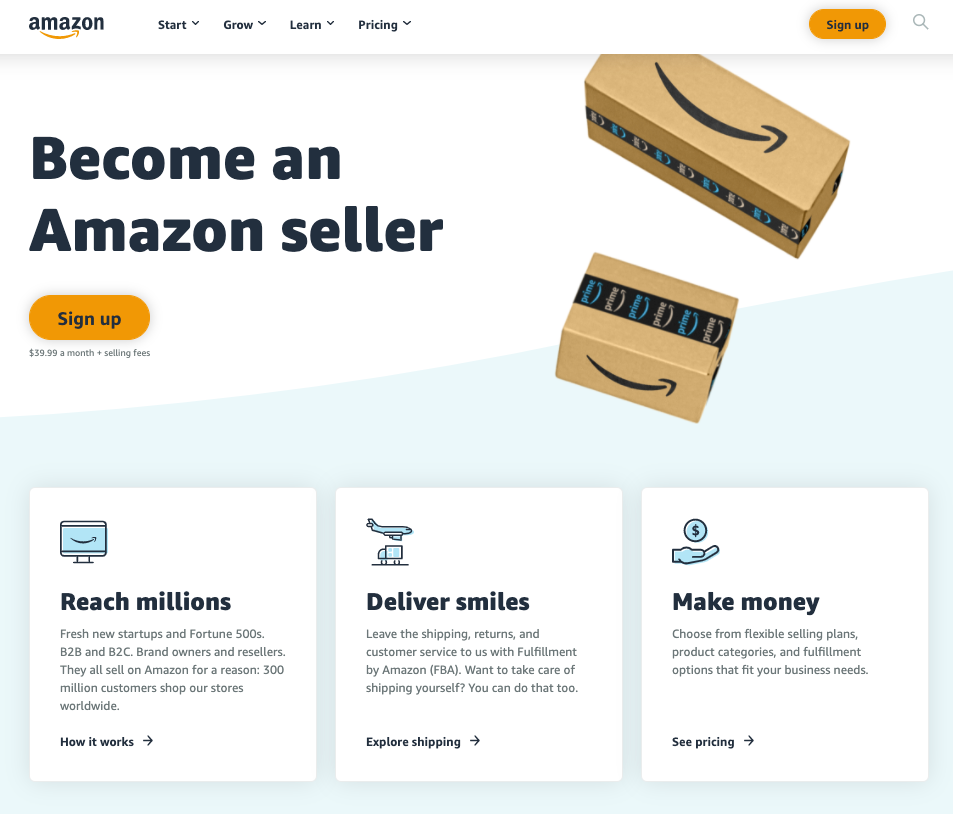
Selling on Amazon in 2026 is still one of the best opportunities to build an online business.
However, success today depends on doing things the right way — following Amazon policies, creating strong listings, and focusing on long-term growth instead of shortcuts.
This beginner-friendly guide will walk you through each step required to start selling on Amazon, even if you have zero experience.
Step 1: Understand How Amazon Selling Works
Before creating an account, it’s important to understand how Amazon operates.
Amazon allows sellers to list products on its marketplace and reach millions of customers. In return, Amazon charges fees for selling, fulfillment, and optional services.
There are two main fulfillment models:
- Fulfilled by Amazon (FBA): Amazon stores, packs, and ships your products
- Fulfilled by Merchant (FBM): You handle storage and shipping yourself
For beginners, FBA is often easier, but both models can work depending on your business.
Step 2: Choose the Right Product to Sell
Product selection is one of the most important steps.
When choosing a product, focus on:
- Consistent demand
- Reasonable competition
- Clear customer need
- Ability to source at a profitable cost
Avoid restricted or gated categories if you are just starting.
Tip:
Don’t rush product selection. A good product can make selling easier, while a bad one can cost time and money.
Step 3: Create Your Amazon Seller Account
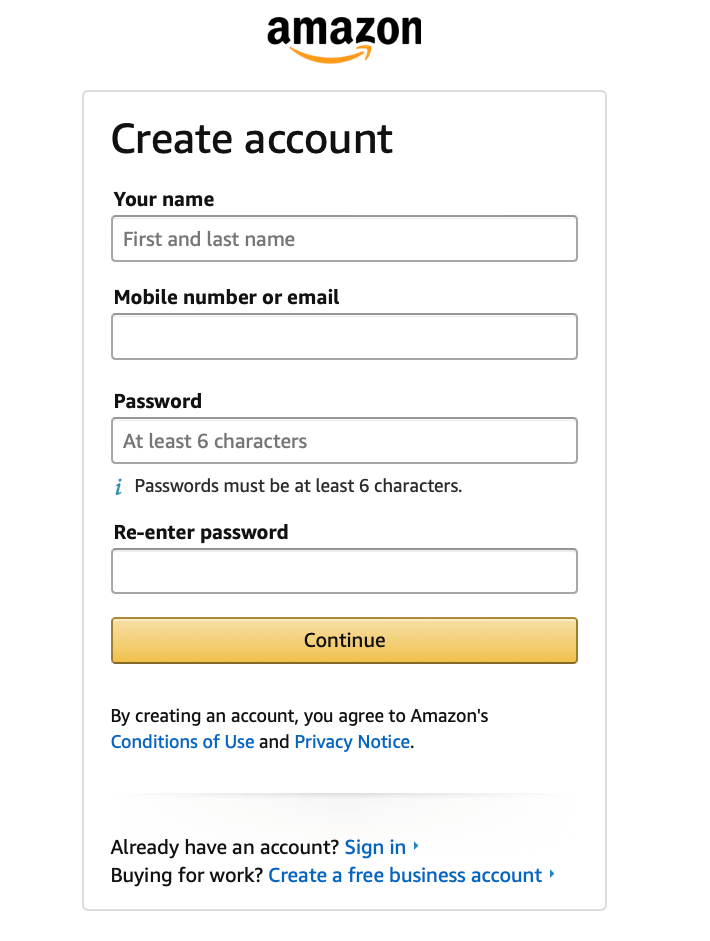
To start selling, you need to create an Amazon Seller account.
You will need:
- Email address
- Phone number
- Bank account details
- Tax information (as per your country)
- Government ID
Choose the Professional Seller Plan if you plan to sell multiple products or scale your business.
Once registered, you’ll get access to Amazon Seller Central, the dashboard where you manage everything.
Step 4: Understand Amazon Seller Central
Seller Central is your control panel on Amazon.
From here, you will manage:
- Product listings
- Orders & returns
- Inventory
- Advertising
- Performance metrics
Spend time understanding the dashboard before launching your first product. This helps avoid costly mistakes later.
Step 5: Create Your Product Listing (Cataloging)
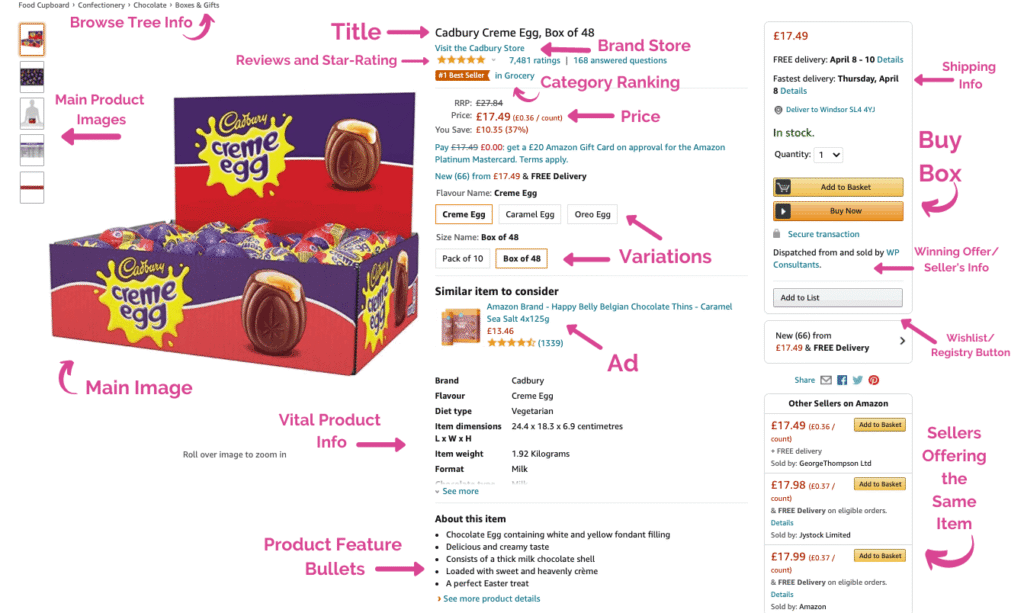
Your product listing is the most important part of Amazon selling.
A complete listing includes:
- Product title
- Bullet points
- Product description
- Images
- Backend keywords
Your content should be:
- Clear and accurate
- Customer-focused
- Keyword-optimized
- Policy-compliant
Avoid keyword stuffing or misleading claims — Amazon takes listing accuracy seriously.
Step 6: Do Proper Keyword Research
Keyword research helps your product appear in Amazon search results.
Good keyword research ensures:
- Better visibility
- Higher ranking
- More relevant traffic
Focus on:
- High-intent keywords
- Product-specific terms
- Customer search language
Keywords should be placed naturally in the title, bullets, description, and backend fields.
Step 7: Add A+ Content (If Eligible)
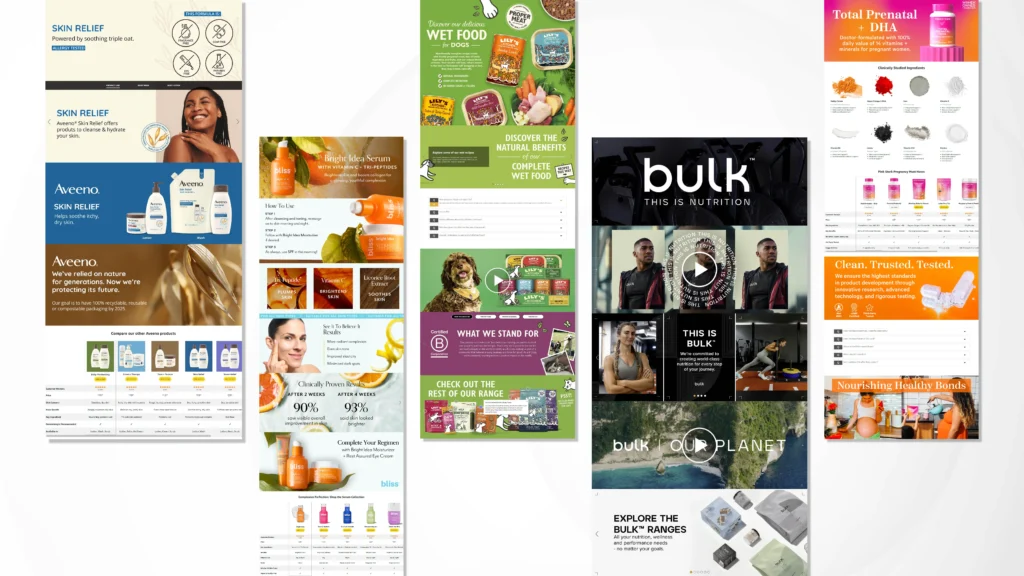
A+ Content allows you to add enhanced visuals and text to your product page.
Benefits of A+ Content:
- Builds customer trust
- Explains product features visually
- Improves conversion rates
While A+ Content does not directly increase ranking, it helps turn visitors into buyers.
Step 8: Set Pricing & Inventory Carefully
Your pricing should consider:
- Product cost
- Amazon fees
- Advertising cost
- Desired profit margin
Avoid underpricing just to compete. Sustainable pricing is key for long-term success.
Make sure inventory levels are managed properly to avoid stock-outs.
Step 9: Launch & Monitor Performance
Once your listing is live:
- Monitor traffic and conversions
- Check customer feedback
- Fix listing issues early
- Ensure policy compliance
Early optimization helps your product gain momentum faster.
Step 10: Scale the Right Way
After your first successful product:
- Improve listings continuously
- Add more products strategically
- Build a brand presence
- Focus on customer experience
Amazon rewards sellers who maintain quality, consistency, and compliance.
Common Mistakes New Amazon Sellers Make
- Launching without research
- Ignoring Amazon policies
- Poor listing content
- No keyword strategy
- Unrealistic expectations
Avoiding these mistakes can save months of effort.
Final Thoughts
Starting to sell on Amazon in 2026 is still a powerful business opportunity — but only for sellers who focus on clarity, compliance, and quality.
If you’re new, take one step at a time.
If you’re already selling, continuous optimization is the key to growth.
Need Help Starting on Amazon?
At YV Seller Solutions, we help:
- New sellers start the right way
- Existing sellers optimize and scale
- Brands build strong Amazon presence
👉 Book a Free Amazon Consultation
Let’s build your Amazon journey with confidence.
